Healthy Lunchbox Ideas for Kids That Work
Packing a lunch that balances nutrition and kid appeal often means working against short time limits and strong food preferences. A lunchbox that offers colorful fruit, varied textures, and at least one source of protein sees fewer leftovers and more energy through the afternoon. Most schools allow only nut-free options, and perishable items can spoil within four hours if not kept chilled. Children under twelve need around 1,600 to 2,000 calories daily, with lunches making up a third of that intake.
A practical lunchbox swaps messy or hard-to-open packaging for containers children can handle, and minimizes foods likely to wilt, brown, or spill by midday. Rotation between sandwiches, wraps, and bite-sized foods helps keep interest high and waste low.
Foods left unrefrigerated for over two hours can cause spoilage or foodborne illness, especially in summer months.
How can I keep lunchboxes fresh
Ice packs and insulated bags prevent soggy sandwiches and spoiled dairy, even on a warm morning. Grapes, carrots, and hard cheeses stay crisp longer than cut fruit or yogurt without refrigeration. Quick packing mistakes like loose lids or overfilled containers can lead to leaks or wilted snacks by noon.
Best containers for freshness
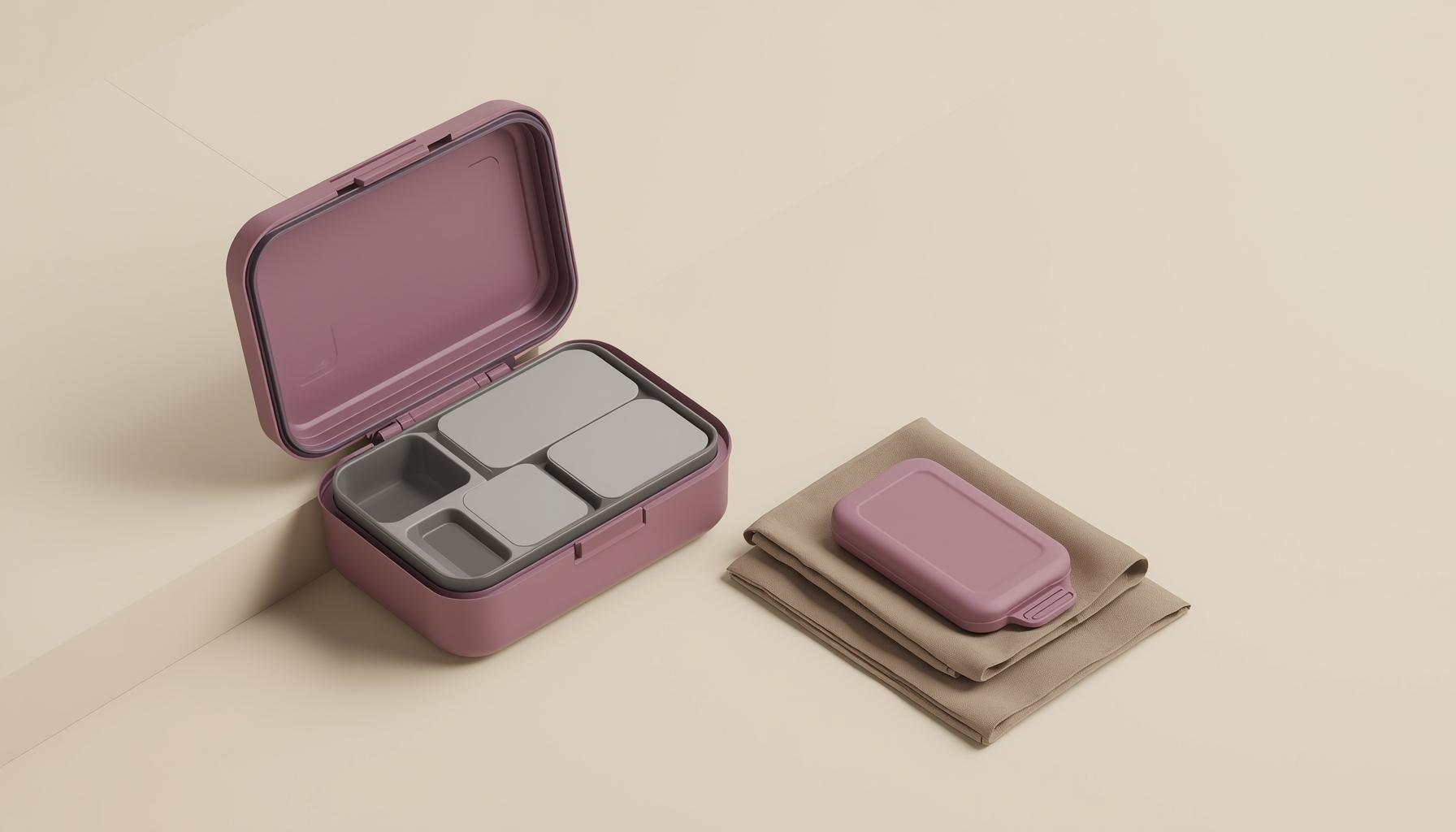
A tight seal on a lunch container blocks outside air and slows food spoilage. Divided sections inside a box keep fruit, sandwiches, and snacks from mixing, so nothing turns wet or mushy.
- Stainless steel boxes resist odors and stains
- Removable inner trays simplify cleaning
- Bento style designs keep foods separate
- Click-lock lids prevent leaks and spills
- Heavy metal boxes add bulk to a school bag
- Plastic lids can warp in a dishwasher
- Glass containers risk breaking if dropped
Ice packs placed under or between foods keep temperature low for hours. Wrapping bread or crisp snacks in wax paper inside the main container stops sogginess from contact with cut fruit or vegetables.
Foods that stay tasty until lunch
Whole fruits such as apples and grapes hold their texture and flavor for hours without refrigeration. Soft fillings and thinly sliced bread, by contrast, often turn soggy even in a tightly closed box.
Firm cheeses like cheddar resist sweating and keep their shape, unlike fresh cheeses that leak moisture and spoil faster. Roasted chickpeas or unsalted nuts offer crunch at lunchtime, while most crackers soften if packed near moist foods.
Carrot sticks and snap peas do not wilt in transit, unlike lettuce or cucumber slices that quickly lose crispness. Hard boiled eggs, peeled just before packing, stay safe and tasty longer than egg salad, which can separate and develop off flavors.
Packing cut fruit with wet items encourages unwanted browning and mushiness. Separate drier foods from juicy ones to maintain good taste and texture.
Foods with sturdy textures and tight seals arrive in better shape hours later. Rotating durable ingredients and using chill packs reduces midday waste and keeps lunch more appealing.
How do I get picky eaters interested
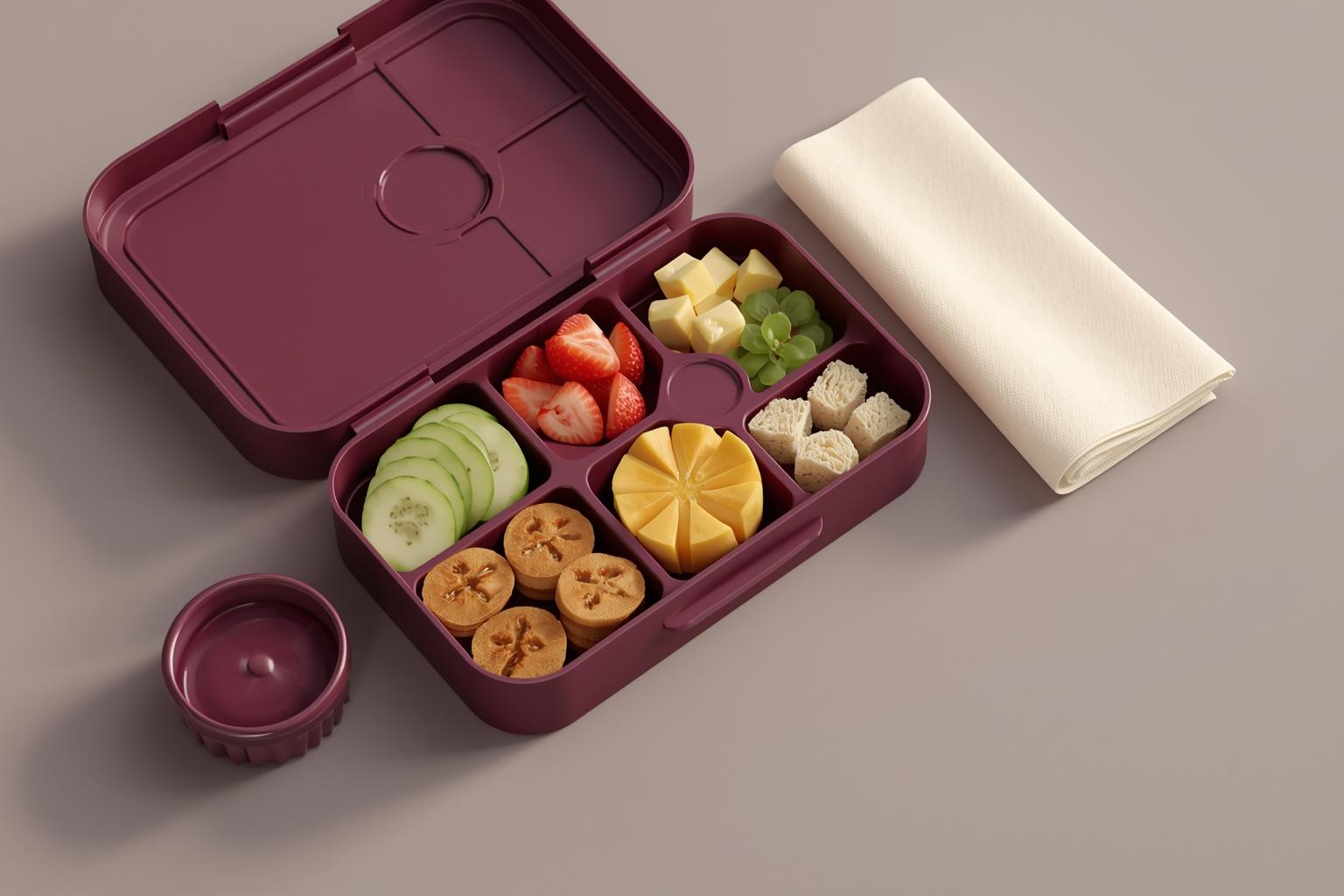
Colorful foods and playful presentations often catch a child's eye faster than nutritional claims ever could. Offering bite size portions or arranging ingredients in familiar shapes can break down resistance to new tastes. Kids who help assemble their own lunches tend to sample a wider range of foods over time.
Creative presentation ideas
Children often decide what to eat based on how food looks before they ever taste it. Bright color, variety in shape, and a sense of play can nudge even the most cautious child to try something new. Several practical tricks encourage curiosity at lunchtime:
- Fruit skewers – pieces of melon, grapes, and berries on small sticks
- Sandwich shapes – pressed with cookie cutters into stars or animals
- Vegetable rainbows – rows of carrot, cucumber, and pepper slices by color
- Snack faces – crackers or rice cakes with cheese, olives, and tiny tomatoes arranged as eyes and smiles
Dull or repetitive presentations can push children to trade or skip their healthy food. Even a simple twist like arranging food in a pattern can make a difference in what gets eaten.
Simple swaps for familiar favorites
Children with strong food preferences often resist change, but familiar textures and flavors can create a bridge to healthier options. Subtle ingredient swaps go unnoticed when the end result looks and tastes like a usual favorite. These small changes raise the nutritional value without setting off alarm bells for picky eaters:
- Replace white sandwich bread with whole grain bread for more fiber and sustained energy.
- Swap out regular cheese in a grilled cheese sandwich for a cheese with lower sodium to cut salt without impacting melt or taste.
- Use mashed avocado instead of mayonnaise in wraps to add healthy fats and a creamy texture.
- Substitute baked chicken pieces for fried nuggets to reduce fat while keeping the crisp coating.
- Offer yogurt mixed with fruit instead of flavored yogurt to cut added sugar and boost vitamin content.
Two ingredient swaps per lunch keep changes manageable for children who notice differences. Rotating these substitutions across the week helps prevent pushback and builds a habit of eating better foods.
Small changes in presentation and involvement can shift a child's attitude toward healthy lunches. Experimenting with textures and shapes brings variety without adding prep time.
What are some easy lunchbox combos

Packing a balanced midday meal can be a scramble when mornings get hectic. Children often eat more when familiar favorites mix with something fresh or crunchy.
| Main protein | Fruit or vegetable | Snack or side | Ease of prep |
|---|---|---|---|
| Turkey slices | Apple wedges | Whole grain crackers | Ready in under 5 minutes |
| Hummus | Baby carrots | Pita bread triangles | No cooking needed |
| Boiled egg | Grape tomatoes | Cheese cubes | Can be made the night before |
| Chicken salad | Cucumber slices | Pretzels | Uses leftover chicken |
| Peanut butter | Banana | Rice cake | Spreads together quickly |
This approach suits families who have little time but want children to eat well at school. Preparing extra portions or washing produce the evening before saves crucial minutes.